25
Aug
Growling and hissing are your cat’s way of communicating that they want to be left alone. A cat might be scared of a newcomer, and will turn to hissing and growling at the new cat as a warning to get out of their space.

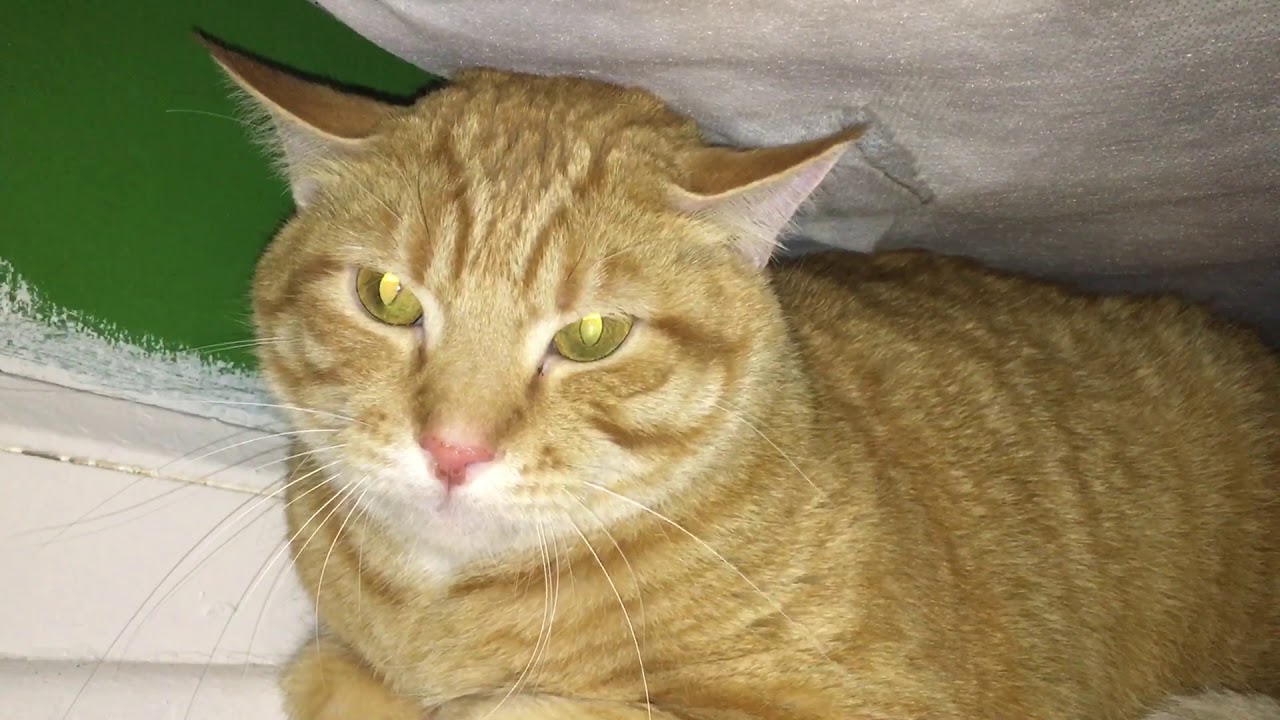
Cat hissing and growling at new kitten. Growling and hissing are your cat’s way of communicating that they want to be left alone. Similarly, if you have brought home a new cat and she is hissing at you, she is probably thinking of you as a potential threat. That’s why we do so much hissing and growling and snarling — all that cussing is done to avert a fight before it gets physical.
Your cat is stressed because the new cat disrupted the daily routine. Some cats may instinctively hiss or act assertively when you introduce a new kitten, so you’ll need to offer lots of reassurance and extra attention. Your ‘old’ cat, the one that already lives there, is rarely going to welcome them with open arms.
She may feel unsettled and anxious because her daily routine and habits are disrupted due to. Your cat may be hissing at the new cat because she feels that her territory has been invaded by an outsider. Here are some common reasons why your cat is hissing or growling at the new kitten:
“hissing is not necessarily an indication that your cat is aggressive, but it is a sign that your cat may attack if he continues to be provoked.” if you notice your cat hissing when you or your family members attempt to handle him, he likely feels threatened in some way. A kitten may hiss or growl at you for several reasons but one of the top reasons is aggression while playing. Two true kittens below 6 months introduced to each other will always end up friends.
These cats are the more difficult to get to warm to a new kitten and this hissing and aggression may persist for longer. One thing you can do to help your little guy feel more content is to use a feline pheromone diffuser. Sometimes a new cat can be overwhelmed by new surroundings and will do better in a room by herself if you have a spare one.
Your cat might hiss at the new kitty to let him know that she is the dominant cat in the. We cats really don’t like to get in fights. Social behavior sets in early, especially for felines.
If your cat is frequently hissing at your kitten, keep meetings short and brief, using a feliway diffuser. The game starts fun then escalates out. Bringing home a new cat or kitten might make the furbaby you have at home feel frightened.
The most common reason that cats hiss is when they feel threatened by another cat or animal, and they will hiss as a warning to keep away. It will take a while before the hissing, chasing, and stare contests go away and the cats learn to be friends. This, too, can result in hiding and hissing behavior.
The most popular one is sold under the brand name comfort zone or feliway. They should begin to stop hissing at each other�s scents. Hissing and growling are expected for a few days or weeks before things cool down a bit.
When a new kitten in the household can best be addressed by properly introducing the cats to each other. Even once your cat is well acquainted with a new family member, he may still hiss and growl more than normal until he fully trusts that he’s safe with the new pet. The older cat can get disturbed with a new introduction to the family, and it will show aggression and hiss at the new cat.
Growling, hissing or spitting indicates a cat who is annoyed, frightened, angry or aggressive. Just put her and food/litter and go in occaisionally to sit read ect as others have suggested but this way she knows she won�t be startled by anyone moving around unless the door opens. These dramatic expressions can drive you up the wall.
It will happen assuming these kittens are young. When introducing your resident cat to a new kitten, you will most probably notice the. A cat who has had little to no socialization with other cats will have a.
But, you can always stop the hissing behavior by showing love and affection to your older cat. When a resident cat hisses at a new arrival, it�s normal behavior and usually nothing to worry about. Your cat may be displaying aggressive behavior like hissing and growling because she sees the new cat as a threat.
Another thing is that cats can feel threatened any time something in their environment changes. A cat might be scared of a newcomer, and will turn to hissing and growling at the new cat as a warning to get out of their space. Older cats hissing at new kittens in the house are often common traits and may go away after becoming friends.
Your cat feels unsettled because of her disrupted routine. Kittens can take up to a week or so to settle in, and can hiss at adult cats or another kitten that is strange to them. Why does my new kitten hiss and growl at me?
“cats typically hiss as a warning,” koski explains. So you don�t really need to worry about that; Confine your new kitty for a few days, allowing the cats to smell each other under the door and on towels you rub on them.
Anything from another animal, a strange visitor, or even a piece of furniture can cause a cat to be upset. Support your cat with pheromones if your cat is growling or hissing because he’s stressed, then using cat pheromones may help relieve his stress and reassure him. They might also growl or hiss at new pets or new children in the household as a way of setting boundaries and warning the new addition not to cross them!
Your cat may be hissing at the new kitten because she finds the new kitten as a threat. Cats are not inherently aggressive creatures and tend to avoid conflict rather than seek it out, and this is. You might hear them hiss as you approach them, especially if you approach them too quickly.
This is an indication that your cat might have been handled roughly in the past, and therefore, is now hissing as someone approaches her and tries to. Why is my cat growling at my new kitten? Give her a cardboard box to hide in.
Cat hissing at a new kitten is pretty normal behavior. It only needs a proper introduction of the cats, coupled with lots of patience. Introducing a new cat or kitten to the home is always an interesting experience.
When a cat hisses at a new cat or kitten, she is expressing a form of territorial aggression. Hissing is a way to warn the threat to not come any closer or else be attacked. Not only does hissing convey aggression, a warning to “stay away,” but it also establishes social order between cats.
A cat may hiss often at the new kitten because she expresses territorial aggression through this, feels unsettled, and shows that she is unwilling to share her space. This is typically caused by rough playing, or play fighting. Your old kitty doesn’t like another intruder and will act cold towards them.
Previous post
Cat limping back leg and not eatingNext post
Cat hiding and not eating