03
Mar
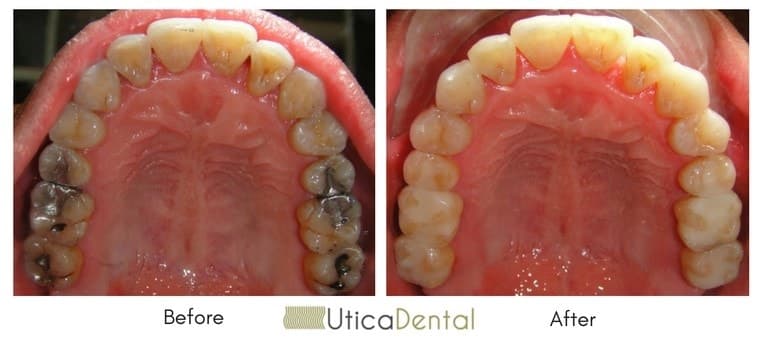
Dental filling is always required to treat a cavity. A dentist will remove the decayed portion of the tooth and fill it with a strong, restorative material in order to treat permanent front teeth cavities.
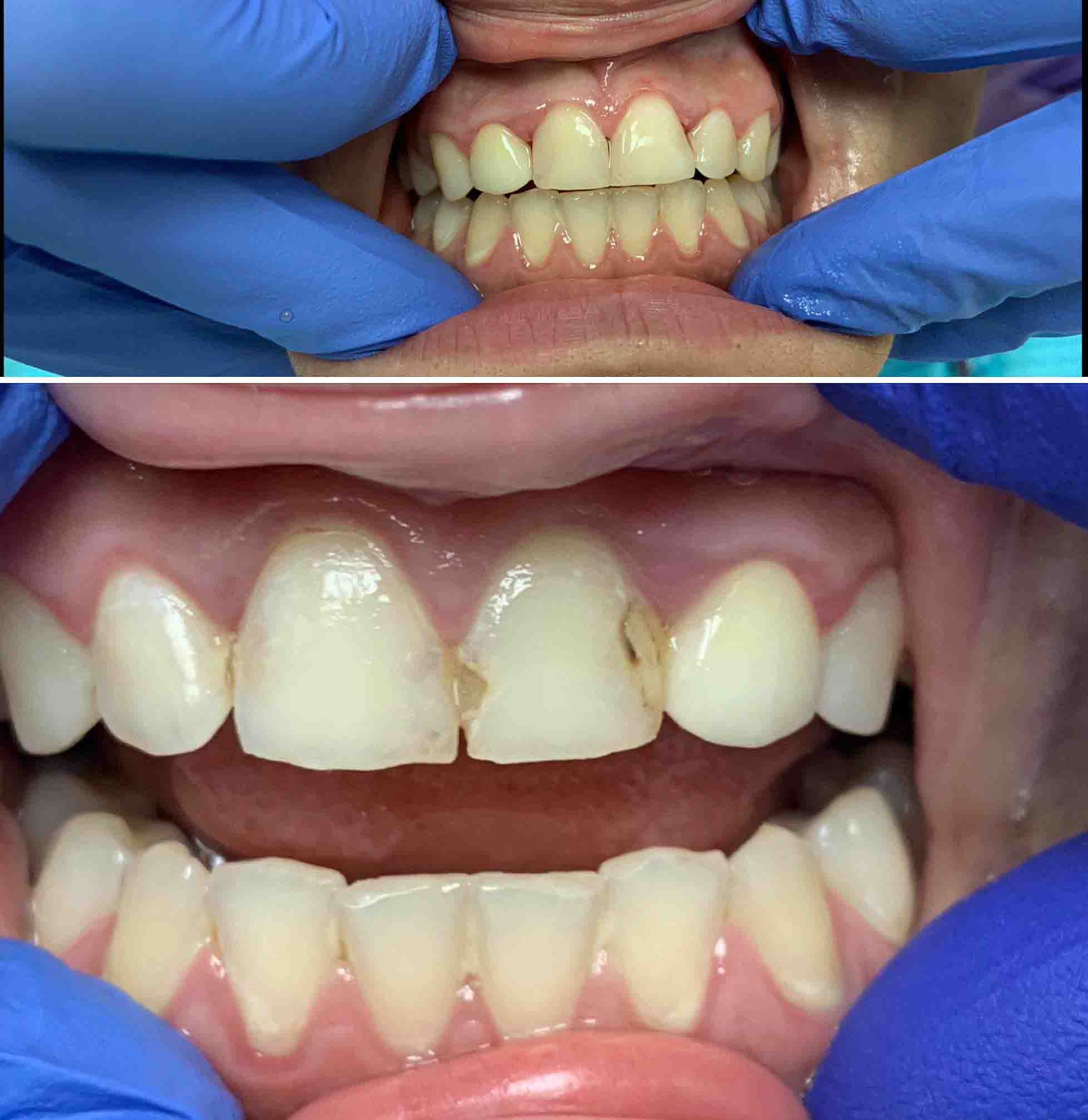
Cavities between teeth filled. Filling procedure is a painless, simple, essential, and affordable procedure. A cavity between two teeth is called an interproximal cavity. As the decay progresses, small holes begin to develop in the teeth.
Dental fillings are used to treat cavities because dentists tend to want to remove the decayed part (the cavity) and fill it to prevent further decay. And since the damage is irreversible, cavities are permanent, which means you will need your dentist to repair it with fillings to save the tooth. A dentist will remove the decayed portion of the tooth and fill it with a strong, restorative material in order to treat permanent front teeth cavities.
An interproximal cavity develops as do other cavities due to the wear of enamel that covers one or two teeth. The bacteria stick to the teeth, embedded in a hard substance called dental plaque or calculus, which deposits on your teeth. How do they fix a cavity between front teeth?
Cavities between teeth are one of the most common dental problems.cavities can sneak in between teeth, inside the grooves of molars, and into the hard to reach areas of your mouth.cavities can sneak in between teeth, inside the grooves. Depending on the severity, there are a few different options. Cavities in between teeth are commonly referred to as interproximal cavities or decay by your general dentist.
Cavities between the teeth are difficult to spot unless they’ve gotten very large. In fact, they also can influence the front layer of back teeth. It probably won’t feel very good, either, because an unfilled cavity will generally lead to a toothache and tooth sensitivity.
They essentially have the same origin and physiology as regular cavities. Cavities in between teeth start small and gradually become bigger. Cavities, also known as dental caries, are a sign of tooth decay.
Dental filling is always required to treat a cavity. Interproximal cavities, more popularly known as the cavities in between your teeth, are actually pretty common. Based on where a cavity can form, there are three types of cavities:
Early detection of interproximal cavities usually happens with bitewing x. To reach the cavity between two teeth, the only way to gain access is by inevitably removing a certain amount of healthy tooth tissue. To treat permanent front teeth cavities, dentists will remove the decayed portion of the tooth and fill it with a strong, restorative material.
If they’re caught early, these cavities can be recalcified with fluoride gel if the cavity only extends halfway into your enamel. If not treated, they can become larger and cause more problems. To fill a cavity that�s in between 2 teeth and can�t be touched from the outside, dentists have 3 choices.
Furthermore, individuals in their 20s usually foster this type of front tooth cavities between their teeth. If you’ve ever had cavities, chances are that you’ve suffered from an interproximal tooth cavity. Cavities form when there is breakdown of the outer, calcified enamel of the tooth by bacteria commonly found in the human mouth.
They start to form when there is a breakdown of the outer, calcified enamel of the tooth that is caused by bacteria in your mouth. If you see any discolored patches between your teeth that appear yellow, brown, or black, go see a dentist. Bacteria in the mouth decompose food debris and produce acids.
This is a step by step explanation of most common filling procedures: These acids destroy the tooth enamel (the outer layer of the tooth), causing the formation of cavities. The most effective dental hygiene for preventing cavities between your teeth is brushing twice every day with a toothpaste containing fluoride, flossing —.
Just like any other cavity, interproximal cavities form when enamel is worn away and. It’s best to prevent these cavities from forming in the first place by regular dentist visits, cleaning between teeth daily and limiting sugar intake. You�ll find pit and fissure cavities on the chewing surfaces of the teeth.
An untreated cavity won’t just get better with time. Cavities can form anywhere on your teeth, including in the space between two teeth. An interproximal cavity is a form of tooth decay that hides between your teeth.
As composite fillings are the most common way to fix cavities between teeth, let’s take a closer look at that process. Filling a cavity in between the teeth at soho dental in toronto.www.sohodental.ca ideally, dental filling material should have the following qualities, in order of importance: The type of cavity depends on the location of the hole on the tooth.
Dental fillings for your cavities could soon be a thing of the past from uk.news.yahoo.com. A tooth that has a cavity whether it’s between two molars or any other teeth is known by the term interproximal dental cavity. Do cavities between teeth need to be filled?
If the cavity is deeper than that, fillings are. On the day of your child’s appointment, they will be administered a local anesthetic to the gums around the tooth containing the cavity. Generally, pit and fissure decay tend to develop during the teenage years and advance rapidly.
They appear as holes or tiny openings in between teeth. Cavities are easily preventable, even if you seem to be finding them with every dentist visit. These cavities form over the tooth’s biting surface.
These cavities will continue to progress and reach the tooth pulp, which contains nerves and. Once the mixture becomes a thick putty, dry your tooth, and using a. A dentist treats a cavity between teeth by removing the affected tooth structure and placing a dental filling.
In fact, it can lead to further decay and even the loss of other teeth.
Previous post
Celebrities with cartier watches