12
May
Warm water lobsters and cold water lobsters include a few likenesses inside their group, yet the two kinds are altogether different from one another. Warm water lobsters, like those caught in california and australia are smaller.
Cold water lobster vs warm water lobster. Warm water lobsters typically come from places like florida, the caribbean and latin america and tend to be softer and more difficult to firm up even when cooked properly. Chefs claim that neither warm or cold is preferable as both have succulent “lobster” taste. That being said, i bought these several months apart and the price difference might be a.
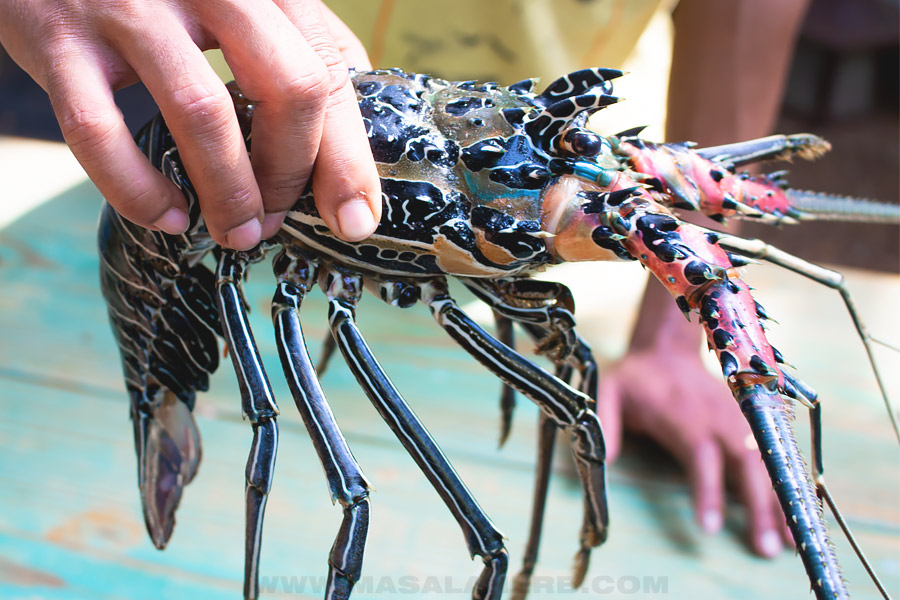
It also improves digestion and protects the organs from damage and dehydration. Cold water lobster is prized above all other species for its sweet, briny richness. The cold water maine lobster is a very different creature from a warm water lobster, which has no claws, and are sometimes called spiny lobsters, rock lobsters, caribbean lobsters, or slipper lobsters.
As a result, you may find supermarkets or shops selling frozen, warm water lobster tails without legs or heads. Thermal convection within your hot water tank (differential of pressure between the top of the tank and the bottom of the tank). Cold water lobsters also get larger, offering more meat.
The most effortless approach to separate these lobsters from cold water vs warm water lobster species is the absence of hooks. It has more of a seafood taste than its cold water counterpart and has tougher meat. They take longer to grow and the meat takes longer to develop, which is said to be more flavorful compared to warm water lobster.
While still tasty in their own way, the flavors are no match for the lobsters that reside in colder climates. Warm water lobsters, like those caught in california and australia are smaller. South african lobsters are interesting in the sense that they incorporate the best of both worlds.
This variety does not firm up, leaving the tail mush even after being cooked. Warm water tails mainly come from florida, the caribbean, and latin america, while the cold water tails come from south africa, australia and new zealand. The cold water lobster meat is soft and.
Since lobsters in cold water live in frigid temperatures, their meat gets significantly firmer than those from warm waters. $29.99 per pound for cold water lobster tails. If you’re trying to buy lobster tail, this is the product with which you are most familiar.
The warm water lobster is less sweet and tender than the cold water lobster. Drinking water improves our blood flow, clears our skin, and helps carry oxygen and nutrients to our cells. It has also been reported that warm water lobsters have a slight ammonia odor.
Degrees), the thermal materials within the hot water lobster control valve contract and silently open the valve. Whereas warm water lobster produces mostly come from countries more interested in money and have an attitude that says, if you catch, we sell it. so basically the guy on the end of the line takes the hit. Meaning they will not accept any molting lobsters.
The price of the lobster tails were: It’s pretty easy which you can also cook them five different w. Warm water tails tend to come from florida, the caribbean, cuba and other such suppliers.
Warm water lobsters are sometimes called spiny lobsters or rock lobsters, and since they are less expensive that the more desirable cold water lobster (the classic “maine lobster”) their tails are often frozen and served simply as “lobster tail.”. The only edible meat in a warm water lobster is found in the lobster’s tail. Warm water lobsters and cold water lobsters include a few likenesses inside their group, yet the two kinds are altogether different from one another.
The price difference between the cold and warm water tails is consistent with the cold water variety being a superior product. And of course, cold water lobsters have meat in. Most producers of cold water lobster have very demanding quality control.
Warm water vs cold water lobster tails: Warm water lobster, it’s important to have an understanding of the differences and similarities. For this, cold water vs warm water lobster (normally called spiny or rock lobsters) are regularly sold uniquely as tails.
The picture below is a warm water lobster tail, still frozen, with just the right amount of ice glaze to protect the meat. Generally, cold water lobster tails come from the northern east coast of the united states ( maine lobster ) australia, new zealand and south africa. Their meat is less firm and doesnt tend to have the hint of sweetness that cold water lobsters are loved for.
$25.99 per pound for warm water lobster tails. Welcome back everyone, today we’re going to be baking warm water and cold water lobster tails. Below, we will be learning more about cold water lobster, warm water lobster tails, cooking lobster, lobster tail nutrition, lobster colors, how to eat lobster
Cold water lobsters usually have whiter, sweeter, and more tender meat than warm water lobsters. Cold water lobsters on the other hand have firm, whiter meat that tastes “cleaner.” the cold water allows the. The remaining parts, such as its head, claws, and antennae, do not have much meat.
The colder the water, the better tasting a lobster will be.
Previous post
Coldest air conditioner temperatureNext post
Cold water inlet on water heater is hot