21
May
Just input any two tires, metric or standard, and click the button. In effect, more power is required to turn the wheels, so it increases the strain.

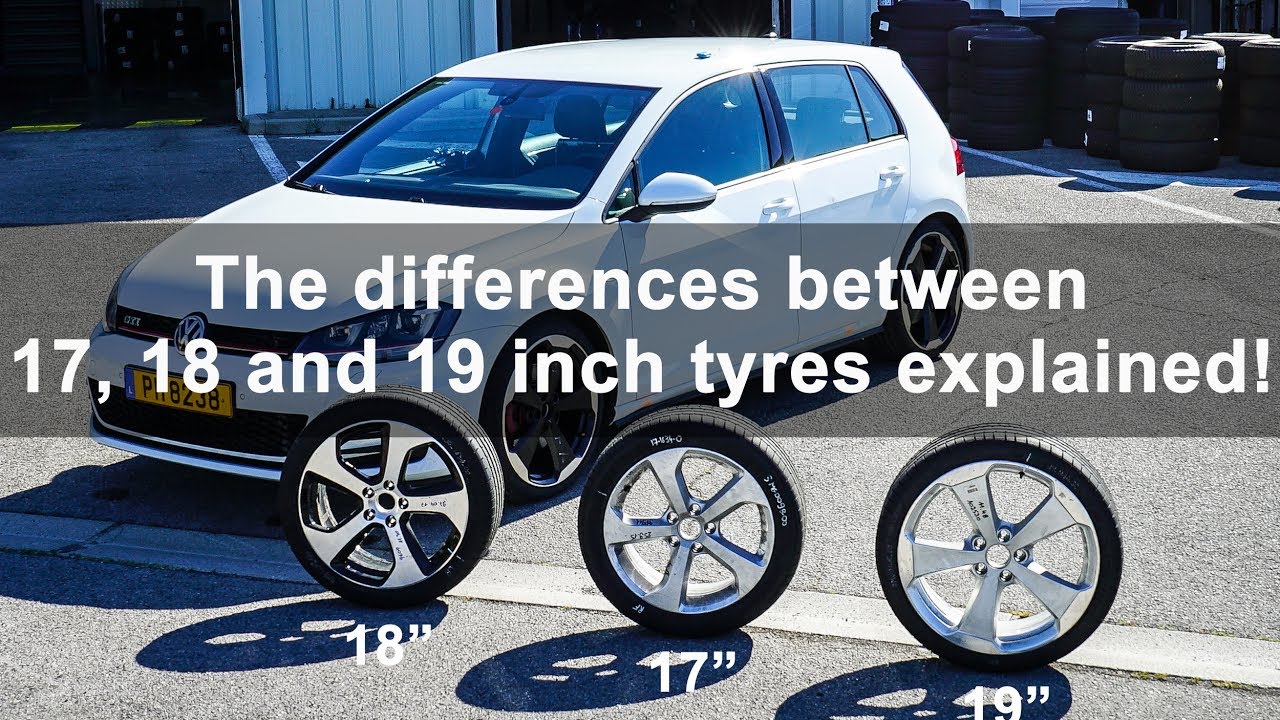
Difference between tires and wheels. The benefits of the 18″ alloys are that they result in sharper handling and look more aesthetically pleasing, however, the 17″ alloys are more comfortable, quieter and cheaper in comparison. For more wheel terminology, check out our tire and wheel glossary. We have explained the differences between rims and wheels.
In the case of a car wheel, the wheel should include a rim, and a tire. A wheel is a round device that rotates to allow a vehicle or other heavy equipment to move. This is how wide the tire is.
However, at the end of the day we’re. Just input any two tires, metric or standard, and click the button. Larger tires improve handling and cornering, due to wider tread faces and stiffer sidewalls.
Tires attached to 20” wheels often have specially designed sidewalls, tread patterns, and grooves. The first number is the width. Our tire size comparison calculator takes two tire sizes and directly calculates the differences between the tires diameter, width, sidewall, circumference and revolutions per mile.
Tires are usually made of a mixture of rubber, nylon and fiberglass. Larger wheels with lower profile tires are sometimes aesthetically desirable. Can i use 70 instead of 65 tires?
What�s the difference between tire noise and bearing noise? Basically, the wheel is the thing that we call the wheel. The tyre is made to fit with a wheel and includes a bead arrangement so the tyre and wheel stick together as a unit.
Tire noise, however, will usually change with the road surface. Use our tire size comparison calculator to find all your tire comparison needs. Let’s recap, rims are the outer parts of the wheel that connect the tires to the wheel itself.
The actual rim is what the tire is seated on, the circular area that runs circumferential and is connected to the hub by the wheel spokes. The second is the aspect ratio. Whereas, the wheel the metal part where the tire is fit into.
In effect, more power is required to turn the wheels, so it increases the strain. On the other hand, the wheel, as previously stated, is where the axle hub,. Another difference between rims and wheels is how they operate;
The differences between tires, wheels, and rims. The wheels are what makes your car mobile. The strongly reinforced sidewalls and strong tread patterns help it to resist punctures.
That means, without the tire, axle pin and bolts, the thing you see is. This does not include the tyre and the mag. In an automobile, the wheels on a car consist of the rims and the tires.
The cost of wheels and tires increases as the size increases. The tire houses the bead, the tread, and the sidewall. One of them would be that there really is a difference between a wheel and a tyre.
Even then, the difference is minimal, and the average driver is unlikely to recognize the difference. Based on this fact, it’s only normal for. Before you know the difference between 285 and 295 tires, there are certain basic things that you need to know first.
Smaller 18″ alloys will have tires with a lower profile compared to the smaller 17″ alloys. A tire usually is described by using three numbers. When the wheel and tyre are combined, they carry the load of the vehicle through the strength of the wheel and the compressed air contained within the tyre and wheel unit.
Making bigger wheels and tires require more workforce, more resources, and more time. To be able to rotate, wheels are connected in parallel pairs, through their center, by an axle. Wheels are for rolling (or sometimes spinning, consider a roulette wheel, for example);
On the other hand, the wheels consist of the rim, the nuts and bolts, and the tire. And the rim is a part of the wheel that connects the tire to the rim. The bigger tires help increase the towing ability of the vehicle.
The diameter is the size of the rim or the wheel that the tire is fitted to. Whereas wheels do not wear down, tires certainly wear out over time from being driven, and need to be replaced periodically, depending on the mileage, age and the condition of the tires, and the roadway on which most of the riding is done. Wider tires may also increase acceleration, especially in very powerful vehicles such as muscle cars.
The golf cart tire is pretty much what you’d expect. We generally replace tires, not wheels (the slang usage mentioned by wendikidd notwithstanding). Ok, this is going to sound pretty dumb to a lot of people, but you’d be surprised at how many people don’t know the difference between a tire, a rim, or a wheel.
The rotating motion moves the vehicle forward or. It is in a millimeter. A wheel is the part of the car that is known as the part that is rounded and is attached to an axle and a hub.
The aspect ratio is the size of the sidewall as a percentage of the width. The last one is the diameter. While fitting larger wheels under the arches can improve the look of a car, they are diminishing its acceleration, although you are unlikely to notice the difference unless you swap from one set of tires to another.
It�s also important to note that wheel bearing noise will basically sound the same no matter what type of surface you�re traveling over. One downside is that front tires wear quickly because they are responsible for turning and acceleration, meaning you’ll need to rotate and replace these tires quickly. Think of the tires as the rubber that covers the wheel’s rim.
If i tell you in the simplest way then i will say that the rim is the total wheel except for the tire. That said, a mechanic may explain how a transmission sends power from. This is the number 255 is for.
This is where the wheel (also known as a rim) comes in. Tires are round, hexagonally parts that surround a vehicle’s wheels and transfer the vehicle’s weight from the axle to the ground while also providing traction on the road surface. Tubular tyres and wheels are lighter than comparable clinchers because they lack the sidewall inside the rim needed to seat the tyre’s.
Previous post
Difference between toyota corolla le and sNext post
Difference between suv and minivan