
08
Mar
Treatments of sponges and brushes with chlorine, boiling or in the dishwasher were effective to reduce salmonella. Brushes are easy to clean and last long.
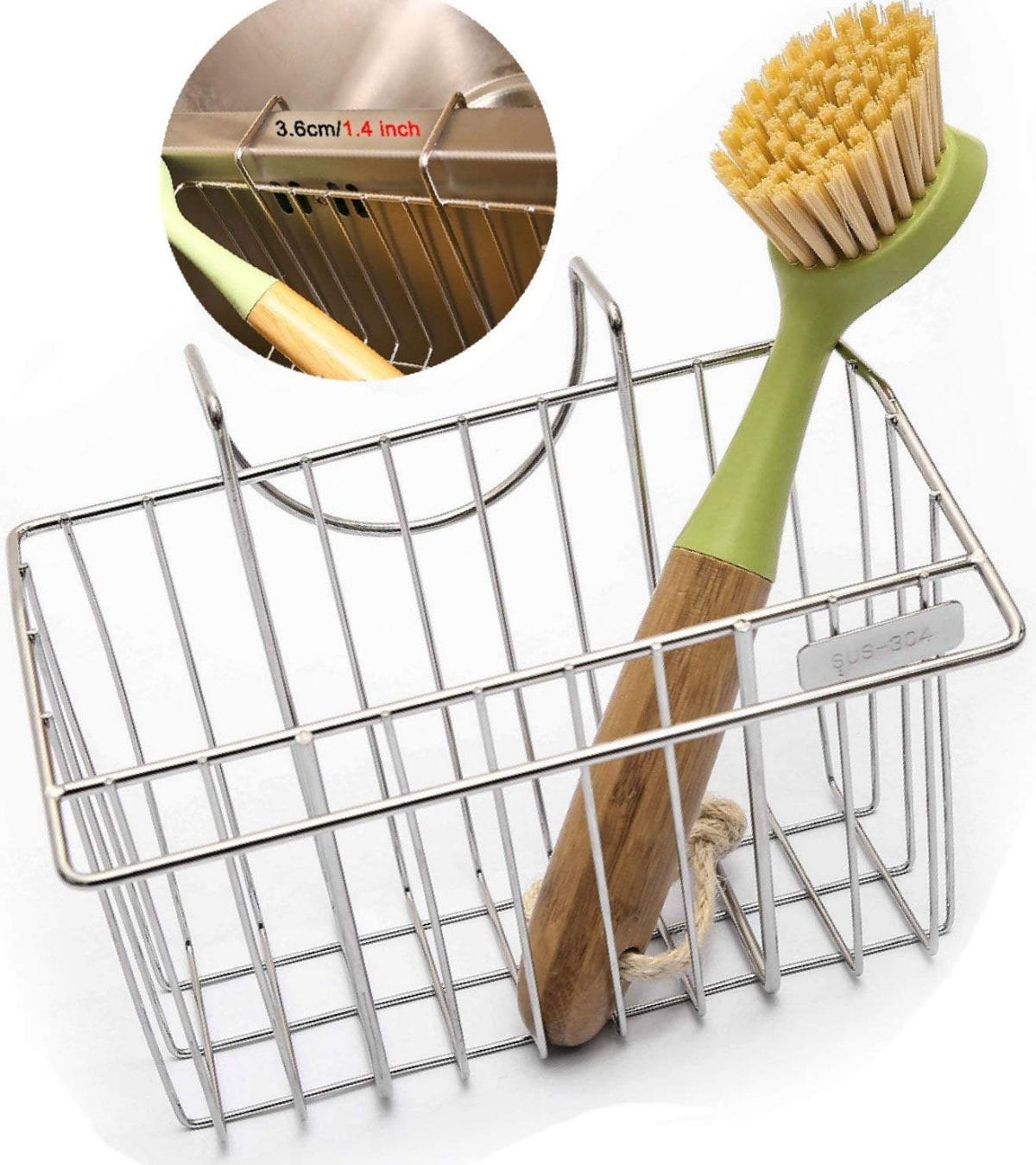
Dish brush vs sponge. You can also buy this dish brush as a set, with a block of dishwashing soap, a soap rack and two sponges, but i wouldn’t recommend using soap with hard water as you may be left with soap scum on your dishes. Do you insist on using a sponge? Use a plastic or silicone brush.
Treatments of sponges and brushes with chlorine, boiling or in the dishwasher were effective to reduce salmonella. They work well with creams, liquids, and even pressed powder. However, since dish brushes dry much more quickly and easily than sponges, they are not as iddlic for many bacteria, which prefer warm, moist environments.
Both enumeration by agar plating and bacteriota analysis confirmed that the pathogens were in a minority compared to the other bacteria. View zero waste cleaning set. For scouring i use either baking soda or barkeepers friend.
I find regular rags and dishtowels to be too large and not abrasive enough for pots and pans. If there is one battle among the kitchen tools, it has to be the dish brush versus sponge competition. Dish brushes are less habitable for bacteria, making them a great choice as your preferred kitchen cleaning tools.
Freda explains, “the difference between brushes, sponges, and using your fingers is all about the product being used at the time. for instance, fingers are great for products that need to be warmed up a bit to blend. (think: Both are prone to accumulating bacteria; At the time i found it very bizarre.
We conclude that brushes are more hygienic than sponges and that their use should be encouraged. How do i get rid of the germs? washing your dishes will help get rid of most of them, and the rest tend to die once the dishes dry off (bacteria can�t live without water!). A dish brush works fine, i make stuff like eggs and cheese which stick to my stainless steel pans and it gets it out fine.
On average for the 10 countries, the use of sponges was 2.5 times higher than the use of dish brushes (36% against 14% for brushes), but there were large variations between countries. The better way to hand wash your dishes. If you’re a brush devotee and unsure how to apply foundation with a sponge, the usage.
Brushes dry faster, and since there�s a handle to hold onto, you don�t come into direct contact with the bacteria. To clean it, simply toss it in the washing machine on a hot cycle once a week. Since you don�t need to throw it out as often as a sponge, you�re saving money and materials.
However, dish brushes are known to dry more quickly and easily than sponges. Researchers have recommended replacing your kitchen sponge as often as every week, and while sponges are cheap, the costs still add up. A brush, on the other hand, dries much more quickly, which gives the bacteria less of a chance to multiply.
Not suitable for those with nut allergies You can replace the head whenever needed for a tool that is good as new. Besides cleaning the dishes, over a quarter of the dish brush users also use it to clean a chopping board after soilage from chicken meat juices.
Then at least make sure you replace it regularly or clean it with hot water and bleach. So there is a good chance that dish brushes are less habitable than sponges for bacteria. Brushes tend to stay drier when they’re not used, and they don’t have as many deep crevices as sponges where water and.
Since the two heads come on and off in a snap, you may want to keep both on hand and swap them depending on what you�re washing. Cloths for dusting and cleaning flat surfaces. Brushes come in many shapes and sizes, so finding one that provides you with more leverage and better grip can mean more cleaning power.
However, from a zero waste perspective all that sanitation is really just icing on the cake. The water uptake and drying rate varied considerably, both between different sponges and between. The same time frame applies to dishcloths.
This way you can soak up soapy water to scrub away at your dishes with. You don’t get bacteria from the brush onto. I put a bit of soap in a container and fill it with water for soapy water, i dip the dish brush in that to add soap.
Public goods walnut scrubber sponge, $3, publicgoods.com. For me, growing up sponges were only for deep cleaning bathrooms. A sponge is the perfect breeding ground for all kinds of bacteria, especially when you don’t wring it out properly when you’re done doing the dishes.
Prompted by faith’s post about the visit from the health inspector, i’ve finally eliminated the sponge from the sink, but i haven’t yet found a good replacement. For example, in portugal the use of sponges was 6 times more frequent than brushes, whereas in norway the use of brushes was 3 times more frequent than the use of sponges. Brushes are easy to clean and last long.
A scrubber to cut through grease and baked on messes on the other. Of sponges was 2.5 times higher than the use of dish brushes (36% against 14% for brushes), but there were large variations between countries ( fig. Foundation sponges are pretty versatile, too.
It gets dirty more quickly than my sponges, but since i never use it as the final cleaner i hang on to it for longer than a week. We always used a brush for dishes. Today i live in the us and i still only use my brushes for cleaning dishes.
It was first when i moved to france that i learned that you could wash dishes with sponges. “the advantage with brushes is that you don’t need to have your hands in warm water, so we can use higher temperatures than we can with sponges. Dish sponges are teaming with bacteria, and are not the most sanitary way to wash your dishes.in contrast, the best dish brushes are.
Scrubbing dishes with the bristles of a brush can be a lot more efficient and effective than a sponge, states nymag’s the strategist. Cream eye shadows, makeup primer, and concealer, to name a few).
Previous post
Dishwasher with clear doorNext post
Disfellowship in the bible