11
Dec
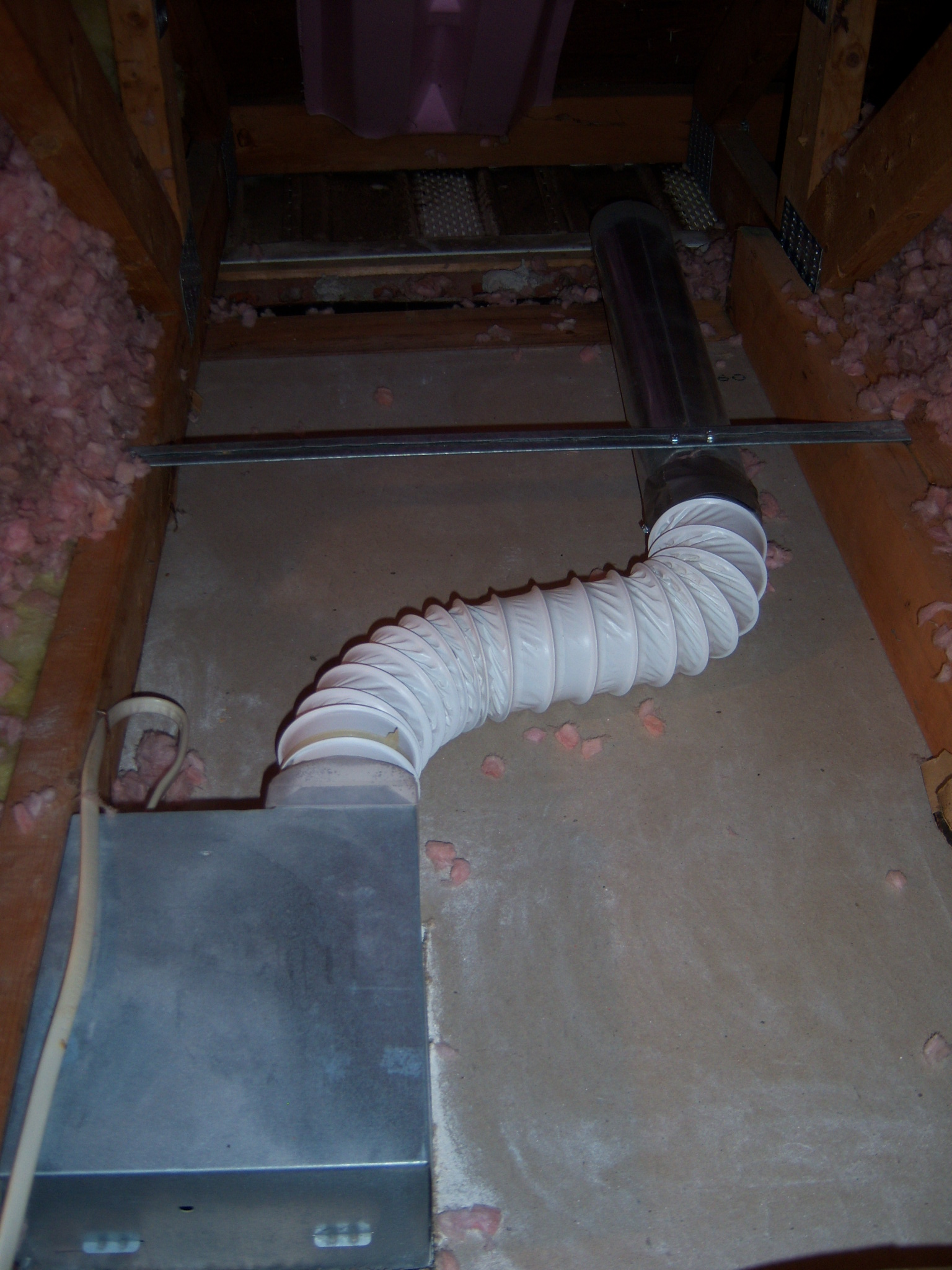
The bathroom is too far from the exterior wall to easily connect it to the external ductwork. It is never ok to vent directly into an attic even if the attic itself is vented.
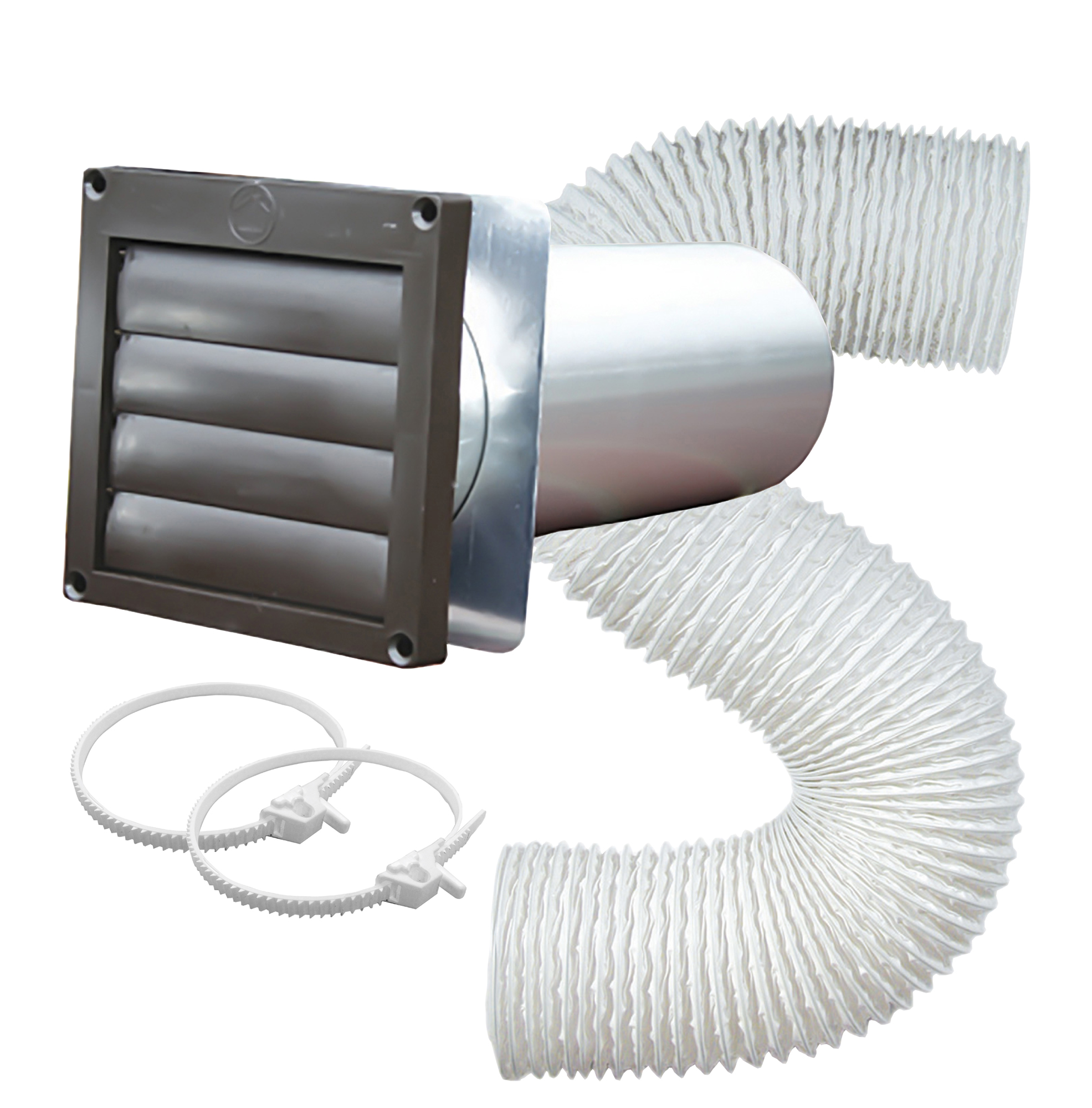
Do bathroom exhaust fans need to be vented outside. While this may seem obvious, homeowners may, out of convenience, direct the vent into either of these locations. To make sure that you do or you do not need a bathroom ventilation fan. Directly to the outside of their home, through the roof, via its own, designated duct.
This section notes that air exhausted from the bathroom must be sent outdoors, not indoors to the same residence or indoors to any other dwelling unit. If you have the budget for a good recirculating hood that matches the extraction rate for your kitchen, then, by all means, install it. Bathroom fan installation requires outside ventilation.
No matter the location of the bathroom, you can vent the exhaust fan through the wall. Options for venting a bathroom exhaust fan include (best to worst): Bathroom fans should always be vented to the outside rather than through the ceiling and into your attic.
This is required by building codes almost everywhere in the world. Even if the local building code does not require it to be vented outside it is always best to do so. You may be able to configure a short route.
In the latter case, you should vent the fan through the roof and not directly into the open attic, as this will cause moisture issues on the lower side of the roof. The only way to ensure an adequate comfort level and prevent mold and mildew development is by getting moisture outside of your dwelling. The bathroom is too far from the exterior wall to easily connect it to the external ductwork.
Check with your local building department before you know moving ahead. When venting a bathroom exhaust fan, make sure to vent the air to the outside, rather than into your attic where it can cause mold and mildew to form. Venting this fan into the attic is simply asking for problems.
How do you know if your bathroom exhaust fan is vented? Letting the fan exhaust into an open attic will cause moisture buildup on the underside of the roof. Most municipalities require extractor and exhaust fans to be vented to the outside of the building with an vent cap.
Excessive moisture will cause condensation on roof members and insulation. Yes, bathroom exhaust fans all require to be vented to the outside. There are 3 types of ventilation systems:
Avoid venting through a soffit vent or ridge vent. A high power inline fan situated in the roofspace, connected to an intake vent in the bathroom and an external vent to go outside under an eave. It cannot move air to a crawlspace or attic.
This will cause mold and could leave your home unlivable. Bathroom ceiling fans can last for an average of 10 years , but it depends on how much you use them. Do bathroom exhaust fans need to be vented outside?
Then you should consider installing a vent that will draw the air under the floor and to the outside. Bathroom fans must vent to the outside of the residence. Because of this, many areas have building codes that require outside venting for bathroom exhaust fans.
How long do bathroom ceiling fans last? You’re doing remodeling work for your bathroom, or whether you’re building a new home in the design phase. Where should the bathroom fan�s vent outlet be placed?
Do bathroom exhaust fans need to be vented outside? (electric deep fryers should be treated as a gas stovetop. Do electric stoves need to be vented?
A ventilation hood, a range hood, and an exhaust fan. A common misconception is that you can run a bathroom extractor fan without venting it to the outdoors. Letting the fan exhaust into an open attic will cause moisture buildup on the underside of the roof.
In some cases, it’s possible to add a bathroom exhaust vent fan for as low as $110 or as high as $800. This is important to comply with most residential building codes, protect your family from health hazards, and protect your property from moisture damage. Since the attic is not a suitable location for your bathroom fan�s vent, the next question is.
The location of the bathroom will determine how extensive the ductwork will be. If the fan isn’t accessible through an attic, you’ll need to vent through a sidewall of your house. So a “regular” gas system would need a 300 cfm fan.
Furthermore, do bathroom extractor fans need to vent outside? The excessive moisture will cause condensation on the roof members, insulation and eventually cause mold. So, not all extraction fans and hoods need to exhaust or vent outside.
Bathroom fan installation requires outside ventilation. Most building codes will require you to. Do bathroom exhaust fans need to be vented outside?
Venting your bathroom fan anywhere other than outside runs the risk of mold forming. That is the only way to guarantee the fan will work as it. Ductwork is what will connect the fan to the outside.
So, the simple correct answer is no. Yes, the bathroom fan should vent outside. A dryer should vent outside whereas a bathroom may not need to vent outside if you use a ceiling vent.
They may not vent into the attic, crawl space, soffit, or ridge vent. Many areas have to construct codes that require outside venting for bathroom exhaust fans. The main thing to keep in mind is that you must always vent your bathroom exhaust fan outside your home.
Bathroom exhaust fans can be vented through windows or doors in the home if they are installed properly: Does a bathroom exhaust fan need to be vented outside? However, the hood or fan that is right for your kitchen and your wallet may need to.
Venting the fan out of the building envelope will prevent moisture damage and expensive mold removal. A bathroom fan must always be vented to the outside. It is never ok to vent directly into an attic even if the attic itself is vented.
The irc has regulations regarding where and how the ducts must exit the residence to discharge the bathroom fumes. Ask them this simple question: Their answer should always be:
The best way to do this is to mount the fan high on the wall and connect it to a sturdy duct run made of pvc or rigid metal. If the fan isn’t accessible through an attic, you’ll need to vent through a sidewall of your house. Through the roof or an exterior gable wall.
Do you need to vent an extraction fan outside? Bathroom vent fans must be vented to the out of doors. How do you vent you clients� bathroom exhaust fans?
The main thing to keep in mind is that you must always vent your bathroom exhaust fan outside your home.
Previous post
Do bats come out during the dayNext post
Do bat lay eggs