26
Aug
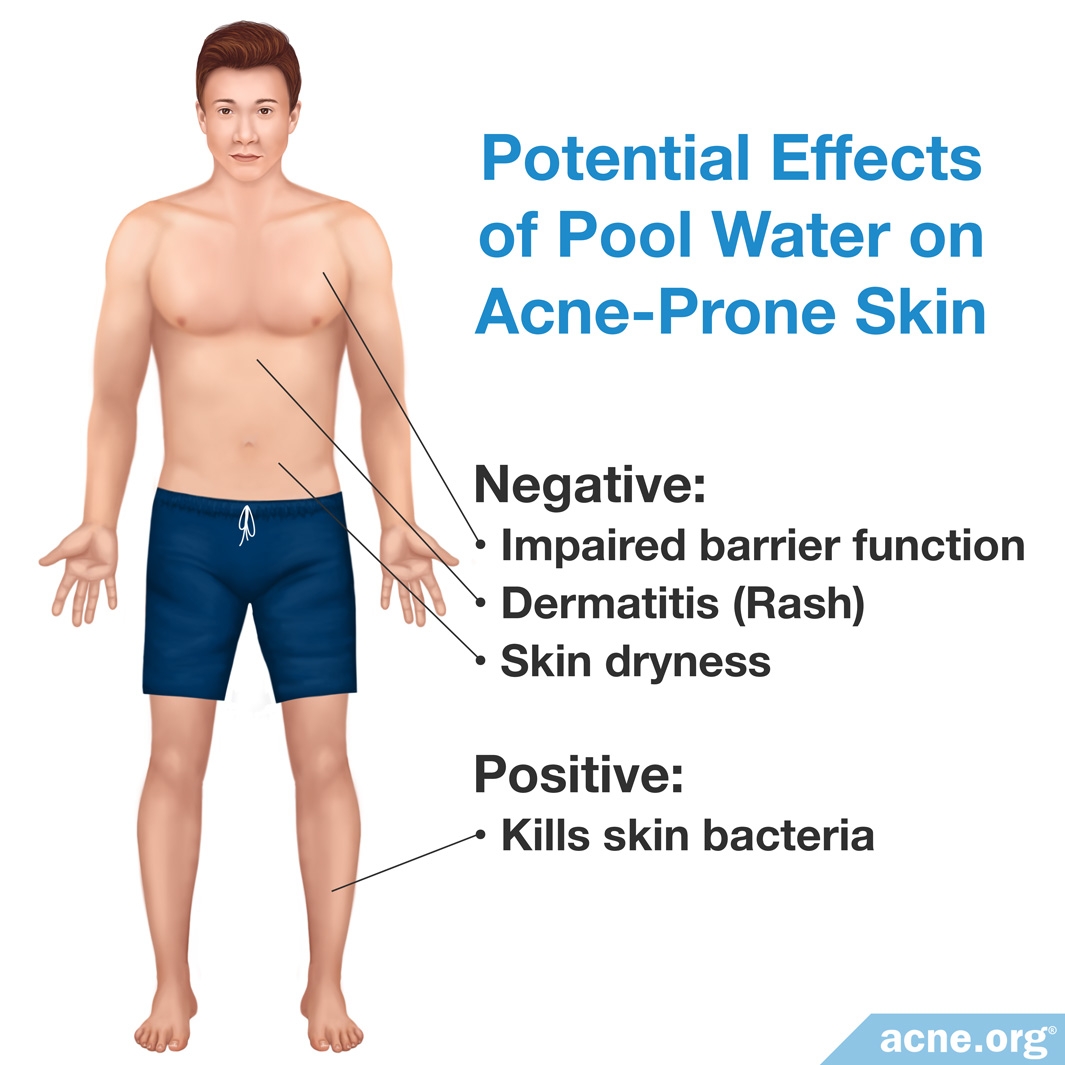
Don�t be afraid to swim in a pool if you have acne, but be aware that chlorine and other disinfectants in pool water can be irritating and drying to the skin. And that if your skin is already healthy, a daily swim at the pool probably won’t help in keeping it that way.
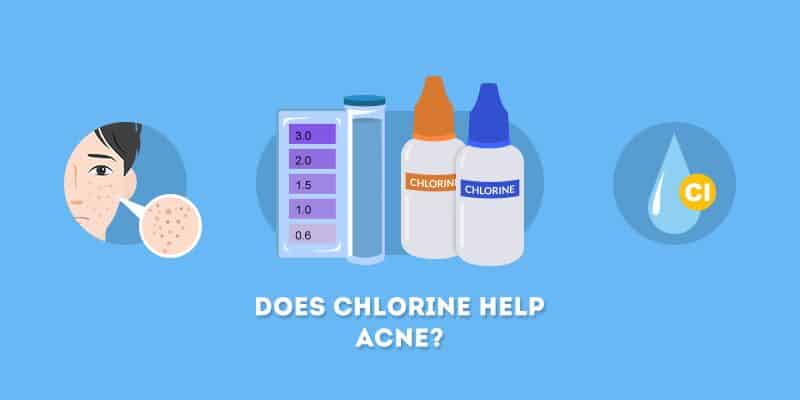
Does chlorine help acne. While the chemical chlorine can make your acne temporarily get better, too much exposure will make any blemishes even worse. In fact, it has the potential to do more. The hi 711 bridges the gap between less accurate chemical test kits, and expensive professional test instrumentation.
It does help with acne. After being in the swimming pool, my face cleared up. It is no surprise that your acne can get better after swimming, then.
Does chlorine help acne the hi 711 is a portable meter for measuring chlorine in natural, waste, recreation and drinking waters. While seawater or chlorinated water may help reduce bacteria that can contribute to breakouts, chlorine exposure can dry out skin and may lead to irritation, which can in turn lead to acne. Don�t be afraid to swim in a pool if you have acne, but be aware that chlorine and other disinfectants in pool water can be irritating and drying to the skin.
People pay good money to filter the chlorine out of their tap and shower water. The quick answer is no, chlorine is not a reliable form of treatment for acne. Of course you actually have to.
The chemicals can irritate and dry their skin, causing the skin to increase its oil production. But swimming is my life! Chlorine has antibacterial properties, so if your breakouts are caused by bacteria, a little exposure to chlorinated water can help reduce the size and amount of acne.
Evian mineral water spray from the base of the french alps. Some swimmers are sensitive to chlorine and other chemicals used to keep pools clean and sanitary. Additionally, the same reason that chlorine is bad for your skin and hair generally is what makes it helpful for acne.
And i know cause i swim twice a. However, you may be concerned about rosacea and the effects of chlorine on your skin. Since chlorine has disinfectant properties (kills bacteria and viruses), it is temporarily helpful for clogged pores infected or blocked with bacteria.
Chlorine can be helpful for acne but only temporarily. Because chlorinated water has a drying effect, when it penetrates the pores it will help reduce oiliness and eliminate any existing bacteria. However, it is not a replacement for following a low inflammation diet to prevent acne in the first place.
Chlorine can definitely exacerbate acne growth, but it can also help clear breakouts and blemishes. Many people who start swimming notice that their acne gets better, and that is really true. So swim then have a shower and moisturise.
Prior to swimming in a chlorinated pool, i had been in the sun all summer and i had acne the entire time. Swimming in a chlorinated pool cleared up my acne. Acne is often caused by bacteria and oil building up in the the pores.
Benjamin barankin, “some people with rosacea will find that chlorine is drying and irritating to their skin. Tea tree oil is also antibacterial and, combined with a carrier oil, is nowhere near as drying as chlorine. Currently, fluorine is also increasingly added to the public water supply.
I would be looking for other sources of the reason for my acne, including hormonal reasons. Chlorine kills bacteria, which is obviously why it is used to disinfect pools in the first place, and most acne is caused by bacteria or at least made worse by them. While a face wash formulated with one of these ingredients can be beneficial, you’ll get the best results by using exfoliants, serums, and/or treatments containing some of these key ingredients.
If chlorine bothers your skin, try moving your swimming workouts to the local lake or the ocean. Chlorine has antibacterial properties, so if your breakouts are caused by bacteria, a little exposure to chlorinated water can help reduce the size and amount of acne.additionally, the same reason that chlorine is bad for your skin and hair generally is. It should be noted, though, that exposure to chlorine for extended periods of time can exacerbate acne wounds.
That said, swimming is so very healthy for the body and soul.” Chlorine kills bacteria and is very drying, so it does tend to clear up acne. Chlorine may also contribute to breakouts by irritating the.
But kills ur skin tone if u dont moisturise. Indoor swimming is a healthy, enjoyable activity in winter. The reason chlorine can make your skin a little clearer is because it dries up oil produced by the sebaceous gland, which is responsible for a large number of acne breakouts.
However, it can also be extremely irritating and detrimental in the long run. Chlorine has antibacterial properties, so if your breakouts are caused by bacteria, a little exposure to chlorinated water can help reduce the size and amount of acne. And that if your skin is already healthy, a daily swim at the pool probably won’t help in keeping it that way.
Evian facial water spray 1.7 oz. All of these ingredients have been proven to help fight acne. Propelled under high pressure by nitrogen (80% of the air we.
The condition was first described in german industrial workers in 1897 by siegfried bettmann,. In fact, chlorine is known to dry out the skin (and hair, unfortunately :(), and because of that i would assume that if anything exposure to chlorine in swimming pools would clear up acne by drying out the individual pimples, rather than making acne worse. The commonest chemical found in tap water is chlorine.
It is important to take the proper precautions before and after swimming in order to avoid acne worsening. Chlorine reacts with other organic compounds in water to form a set of compounds called chloramine. Coconut water may contain the right ingredients to help clear acne but it does not contain them in amounts high.
Salicylic acid (a beta hydroxy acid) retinoids. That is, it can dry out acne.
Previous post
Does chocolate kill miceNext post
Does chiropractic make you taller